Want to learn salsa but don't know where to start?
You don't need previous dance experience, a partner or expensive dance shoes to begin. Salsa is something you can learn step by step, and your first class is simply the beginning.
This guide explains how to start learning salsa, what to expect at your first class, whether you need a partner, what to wear, how to improve and which Salsaché class may be right for you in Nottingham.
The most important thing to know?
You don't need to be a dancer before you start learning to dance.
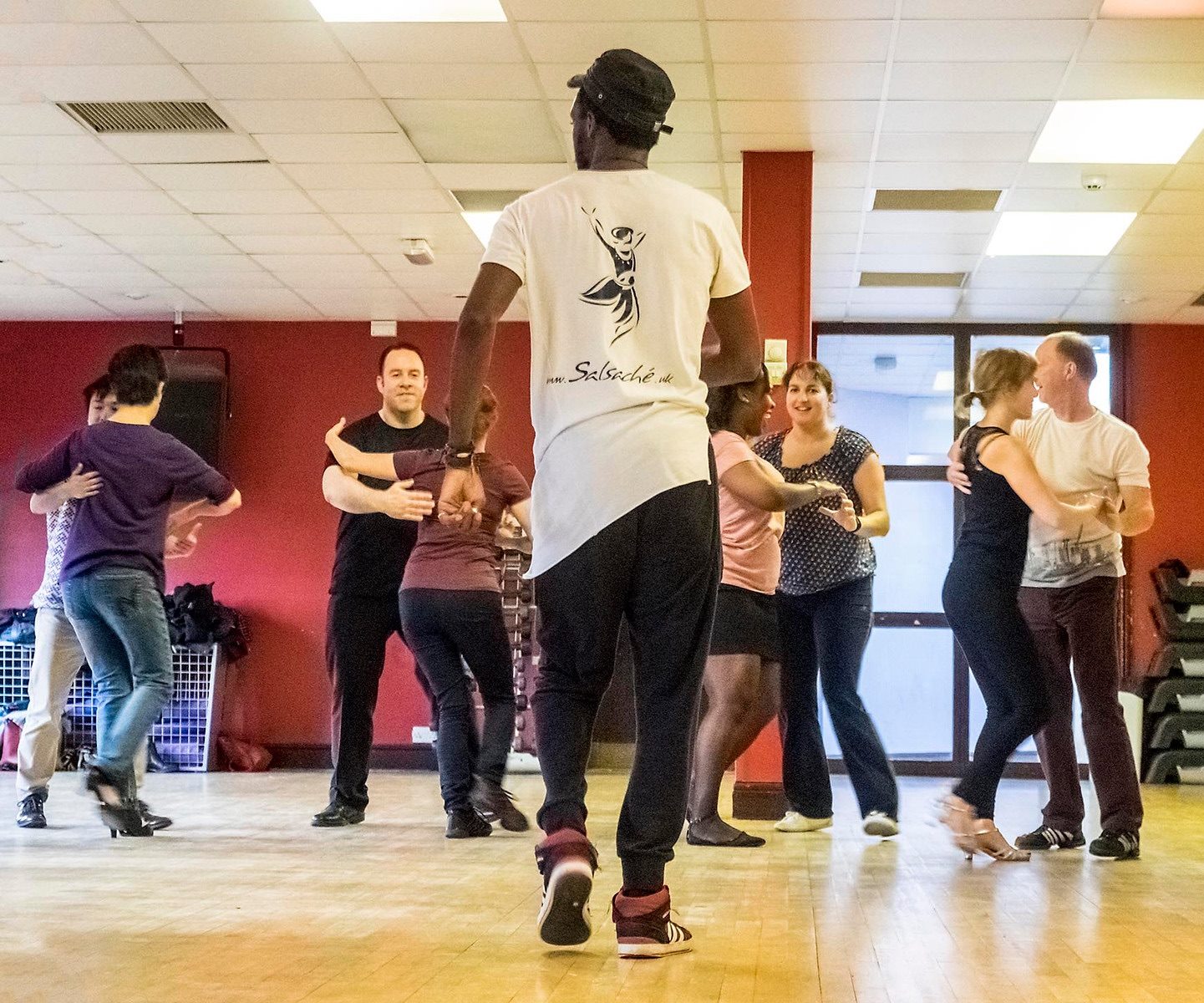
Can I learn salsa if I've never danced before?
Yes.
You don't need previous dance experience to start learning salsa.
A beginner class starts with the foundations rather than assuming that everyone already knows how to move, follow the rhythm or dance with a partner.
As you progress, you'll gradually develop things such as:
- basic steps and movement
- timing and rhythm
- turns and patterns
- leading and following
- partnerwork
- musicality
- confidence on the social dance floor
You won't remember everything after your first class. That's completely normal.
Your first goal isn't to become a great salsa dancer. It's to start.
Do I need a partner to learn salsa?
No.
This is one of the most common questions people ask before trying salsa for the first time.
You can come to Salsaché on your own. You don't need to wait for a friend, partner or someone else to decide to come with you.
Partnerwork is part of learning salsa, but coming alone shouldn't stop you from starting.
Thinking of coming on your own?
Don't wait for somebody else to start. Come and learn.
What actually happens at a salsa class?
If you've never been to a salsa class before, one of the biggest barriers can simply be not knowing what is going to happen.
A typical beginner session combines learning, repetition and dancing with other people.
Learning
Your teacher introduces new steps, movements or partnerwork and breaks them down so you can understand them.
Practising
You repeat what you've learned. Repetition is important because salsa eventually needs to become something your body can do rather than something you have to consciously remember every second.
Partnerwork
You practise the movements with other dancers and gradually learn how to communicate through movement.
Putting it together
Individual movements are combined into patterns and danced with music.
Social dancing
As you become more comfortable, you can start using what you've learned in social dancing.
You don't need to be confident before you arrive.
The class is part of how you build that confidence.
Is salsa difficult to learn?
Salsa can feel difficult at first.
You're learning several things at the same time: movement, rhythm, timing, memory and partnerwork.
At the beginning, you may have to think carefully about every step. With repetition, movements that initially felt unfamiliar start to become more natural.
Eventually you can spend less time thinking about individual steps and more time listening to the music, connecting with your partner and actually dancing.
Don't judge your ability by your first class.
Learning salsa is a process.
What should I wear to my first salsa class?
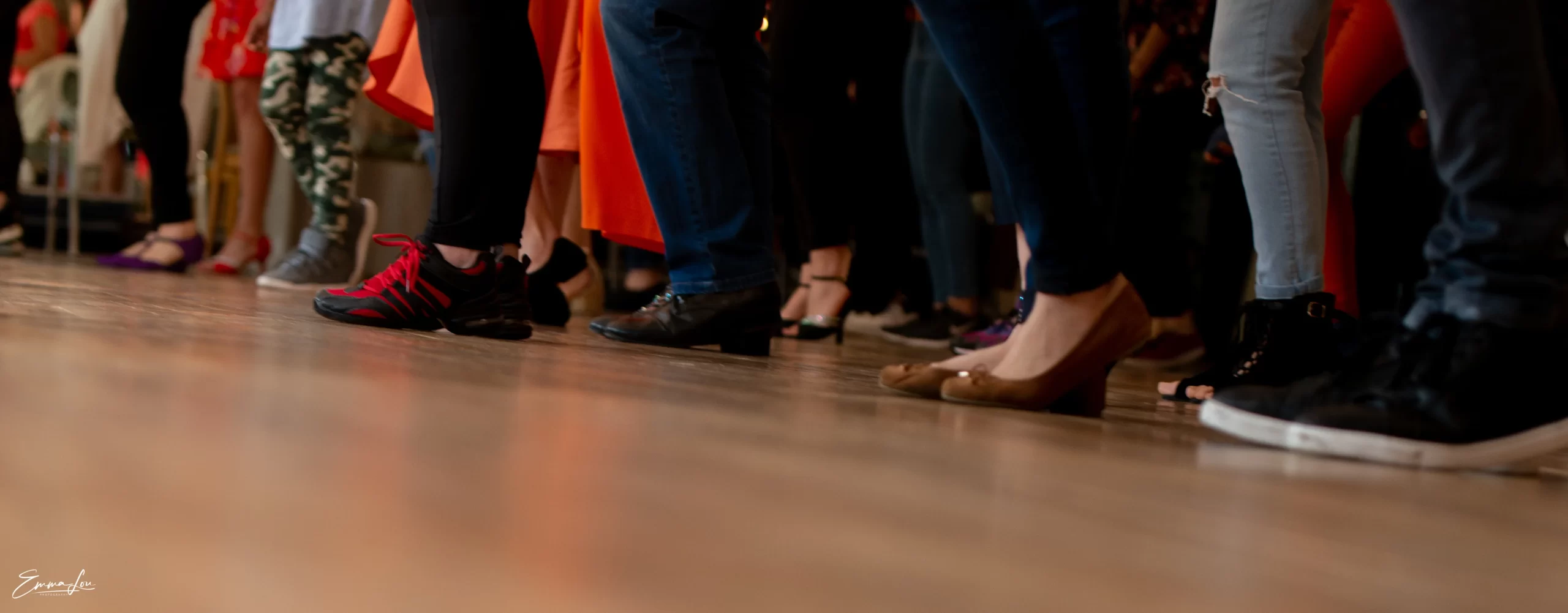
You don't need special dance clothes to start.
Wear something comfortable that allows you to move freely. For footwear, choose something comfortable that allows you to move safely and doesn't grip the floor excessively.
You don't need to buy expensive dance shoes before you've even decided whether you enjoy salsa.
Come comfortable. Come ready to move.
How often should I take salsa classes?
If you want to make steady progress, regular practice matters.
One class can introduce you to salsa. Regular classes give you the opportunity to build on what you've already learned and develop your timing, technique, partnerwork and confidence.
You can also improve by dancing socially, practising the basics and listening to the music outside class.
The most important thing is consistency.
How long does it take to learn salsa?
There isn't one answer.
It depends on how often you dance, how you practise, how comfortable you become with the music and partnerwork, and what you mean by "learn salsa".
You can learn basic movements in your first class. Becoming comfortable dancing socially takes longer. Developing technique, musicality, connection and your own style is an ongoing process.
Think about salsa as a progression rather than a destination.
You don't have to wait until you're "good enough" to enjoy dancing.
Which type of salsa should I learn?
There isn't just one way of dancing salsa. Different styles have different movement, music and partnerwork characteristics.
At Salsaché, you can explore different styles throughout the week.
Cuban Salsa
Cuban Salsa, also known as Casino, has its own distinctive movement vocabulary and partnerwork.
If Cuban Salsa appeals to you, Tuesday is the place to explore it at Salsaché.
Explore Tuesday Cuban Salsa & Rueda →Crossbody Salsa
Crossbody Salsa has its own approach to movement and partnerwork, with an emphasis on travelling patterns, turns and continuous movement.
If this is the style you'd like to learn, Thursday provides a beginner entry point.
Explore Thursday Crossbody Salsa →Rueda
Rueda, or Salsa Wheel, brings couples together in a circle and combines Cuban Salsa with fun group interaction.
At Salsaché, Rueda is part of the Tuesday programme.
Explore Tuesday Cuban Salsa & Rueda →Chachacha & Mambo
Chachacha and Mambo are part of Salsaché's Wednesday programme alongside Salsa.
Wednesday is aimed at Improver and Intermediate dancers rather than complete beginners.
Explore Wednesday Classes →
Which Salsaché class should I start with?
If you're in Nottingham and you're ready to try salsa, your starting point depends mainly on the style you want to explore and your current experience.
Monday — Beginner Salsa
Kimberley
Designed for beginners who want to build their foundations step by step.
8:30pm — Beginner Salsa
9:30pm — Mini-Social
Tuesday — Cuban Salsa & Rueda
The Greenway Centre, Nottingham
A beginner entry point into Cuban Salsa, followed by different levels and Rueda.
7:30pm — Beginners Cuban Salsa
8:20pm — Multiple Levels
9:10pm — Rueda
Thursday — Beginner Crossbody Salsa
Arnold / Woodthorpe
A beginner entry point into Crossbody Salsa, followed by a mini-social and level-up class.
8:00pm — Beginner
8:45pm — Mini-Social
9:00pm — Level-Up
Wednesday — Salsa, Chachacha & Mambo
Nottingham
For Improver and Intermediate dancers who are ready to develop their dancing further.
CHALLENGE YOURSELF →I'm nervous about coming to my first class
You are not expected to know what you're doing when you arrive.
You're a beginner. That's the point.
You might worry that everyone else will be better than you. You might worry about getting the steps wrong. You might feel strange coming on your own.
Those feelings shouldn't stop you from trying.
The first class isn't a test.
It's your starting point.
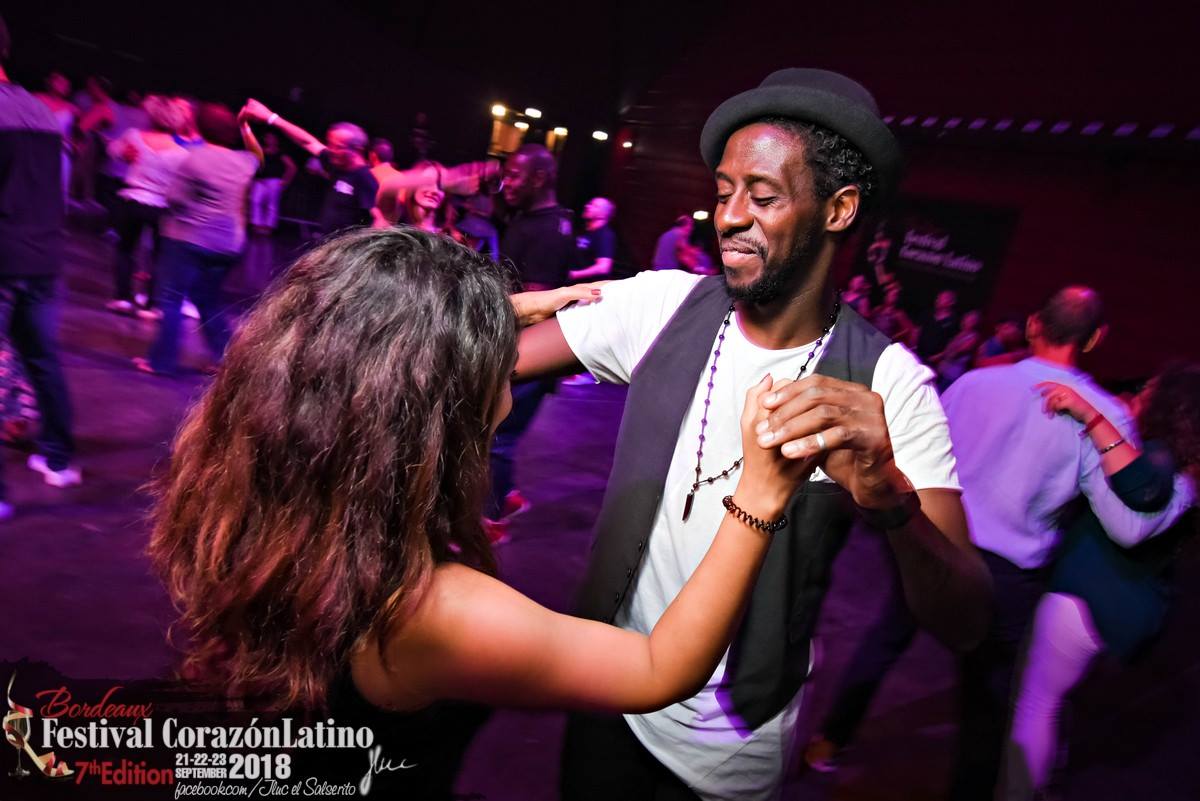
How do I get better at salsa?
Learning more and more combinations is only one part of becoming a better social dancer.
Technique
Understanding how your body moves and learning to execute movements clearly.
Musicality
Learning to hear and respond to the music rather than simply executing memorised steps.
Connection
Learning how to communicate through movement with your partner.
Presence
Being aware of yourself, your partner and what is happening in the music and the dance.
The goal isn't simply to collect more steps. It's to become more comfortable dancing.
Your salsa journey doesn't stop at beginner level
Learning salsa isn't about staying in beginner class forever.
A natural progression can look something like this:
START
Learn the foundations.
BUILD
Develop timing, technique and partnerwork.
PRACTISE
Dance with different people and become more comfortable socially.
PROGRESS
Develop more complex movements, musicality and connection.
CHALLENGE
Continue developing your dancing through higher-level Salsa, Chachacha, Mambo and other areas of your dancing.
Ready to Learn Salsa?
You don't need a partner.
You don't need previous dance experience.
You don't need to already know how to dance.
You just need to take the first step.
Start with your first visit for just £6.
Monday Tuesday ThursdayFrequently Asked Questions
Can I learn salsa without a partner?
Yes. You can attend Salsaché classes on your own. You don't need to find a partner before starting.
Can complete beginners learn salsa?
Yes. Salsaché has dedicated beginner entry points on Monday, Tuesday and Thursday.
How often should I take salsa lessons?
Regular attendance is the best way to build on what you've learned and develop your dancing.
What should I wear to salsa class?
Wear comfortable clothing that allows you to move freely. You don't need specialist dance clothes or expensive dance shoes to start.
Where can I learn salsa in Nottingham?
Salsaché runs classes across Nottingham and the surrounding area, including Kimberley, Sneinton and Arnold/Woodthorpe, depending on the class.
Which salsa class should a complete beginner choose?
You can start with Monday Beginner Salsa, Tuesday Cuban Salsa & Rueda, or Thursday Beginner Crossbody Salsa. The choice mainly depends on the style and location you prefer.